

 Free Cancellation


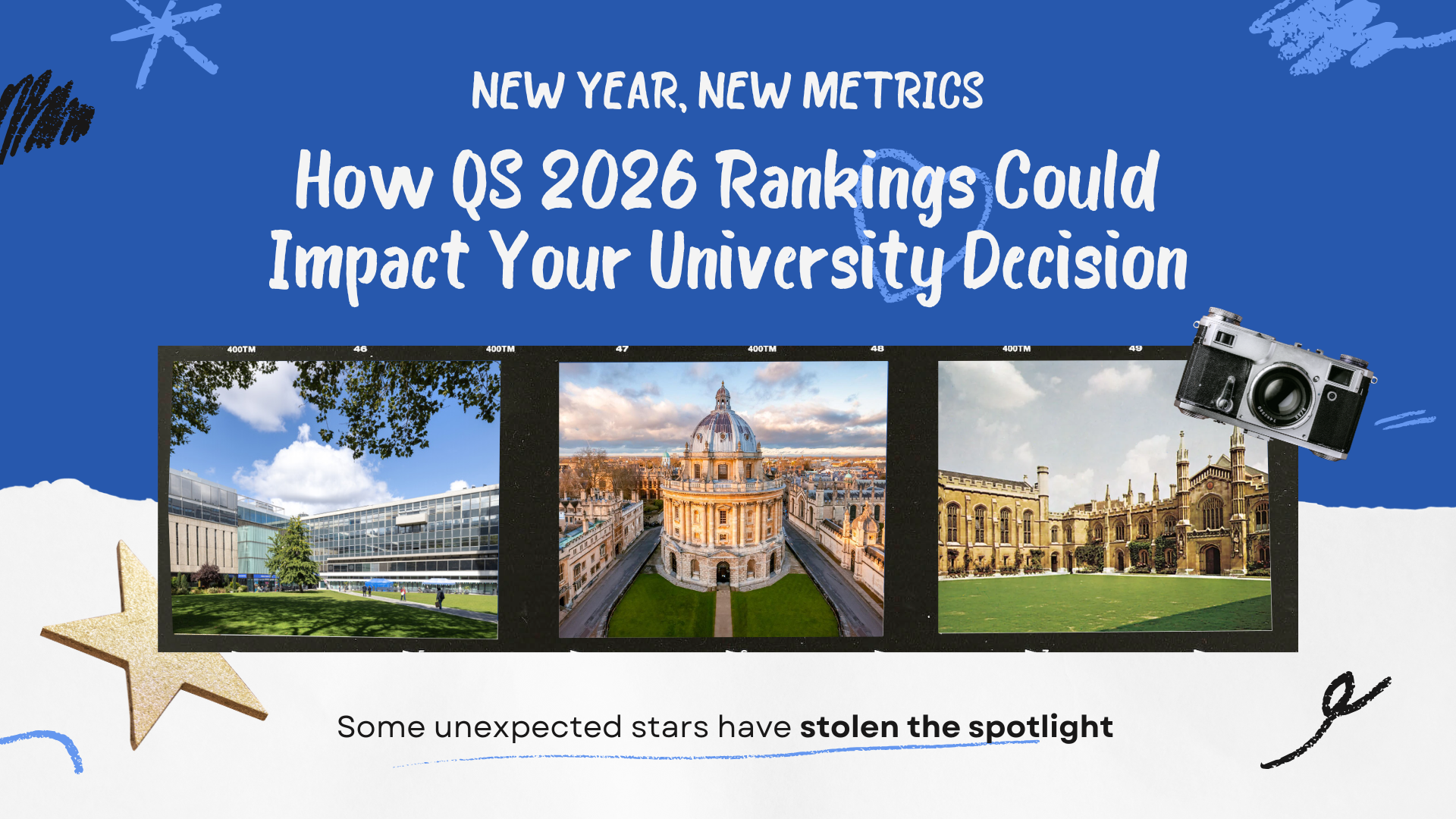
New Year, New Metrics: How QS 2026 Rankings Could Impact Your University Decision
The QS World University Rankings 2026 are here, and if you're planning to study abroad, this is a great place to start your research. With over 1,500 universities ranked across more than 100 countries, the list highlights the best of the best, and yes, MIT is still holding onto that #1 spot.
But this year, there’s something new: a focus on International Student Diversity, making it even more relevant for students coming from across the globe. Whether you're eyeing a top-tier institution or looking for the best fit for your field, these rankings can help, but they shouldn’t be the only thing guiding your decision.
Think about the bigger picture: your course content, the cost of living, location, and yes, even student accommodation in the UK if you're heading there. Because let’s face it, rankings might get the headlines, but your daily life on campus matters just as much.
In this post, we’ll unpack what’s new in the 2026 rankings, the QS methodology for ranking, how to actually use them to your advantage, and why a high-ranking university might not always be the right university for you.
QS World University Rankings 2026: Key Takeaways
- 1,500+ universities ranked globally
- MIT remains #1 overall
- New metric added: International Student Diversity
What you should know:
- Rankings can impact your job opportunities and a university’s global reputation
- But don’t rely on rankings alone, consider:
- Location
- Tuition and living costs
- Course content and structure
- Subject-specific rankings are more relevant than overall rankings for your field
Also, settling into a new country is a big part of the experience. Check out our blog on settling in the UK for practical tips on making your transition smooth and stress-free in the country.
What Actually Went Down in the QS Rankings 2026
The Big Picture
Here’s the global snapshot:
- 1,500+ universities ranked worldwide
- 100+ countries made the list
- 500 universities moved up compared to last year
- MIT held tight at #1 (no surprises there)
- Stanford jumped from 6th to 3rd place
Who Really Won This Year?
Some unexpected stars stole the spotlight:
- Sunway University (Malaysia): Skyrocketed 129 spots, huge leap!
- University of Chicago: Cracked the top 20, now sitting pretty at #13
- Yonsei University (South Korea): Landed at #50, a major milestone
- Indian universities: 41% improved their rankings overall
What this tells us:
Asian universities are seriously stepping up. Countries like Malaysia and South Korea are investing big in higher education, and it’s paying off. If you're considering studying in Asia, the quality options are growing fast.
What's New This Year: International Student Diversity (ISD)
This year, QS introduced a brand-new metric, and it's a big deal:
- International Student Diversity isn’t just about how many international students a uni has
- It now looks at where those students come from
- The goal? Highlight universities that are truly global, not just popular in one region
Why it matters for you:
If you're after a rich, international experience, with diverse classmates and global networking opportunities, this metric is your new best friend. Schools that rank high here offer a more dynamic, multicultural environment.
Breaking Down the QS Methodology: No Jargon, Just the Good Stuff
QS ranks universities using 8 key indicators, but don’t worry, here’s what they actually mean for you as a student (not just for academics and rankings nerds).
1. Academic Reputation (40% of the total score)
What it is:
How respected the university is among academics globally. QS asks 150,000+ professors across 140+ countries for their opinions.
Why it matters to you:
A uni with strong academic reputation usually offers:
- Better research opportunities
- Well-known, influential professors
- Strong alumni networks
- A degree that means more on your résumé
Institutions like the University of Oxford consistently top global rankings because of their world-class research output, prestigious faculty, and centuries-old academic excellence.
2. Employer Reputation (15%)
What it is:
How much employers trust graduates from each university. Based on feedback from 99,000+ employers worldwide.
Why it matters to you:
A high employer reputation usually means:
- Better job prospects after graduation
- Higher starting salaries
- More on-campus recruitment
- Easier time landing interviews
Prestigious universities like the University of Cambridge don’t just turn out top scholars, they produce graduates who are sharp, career-ready, and in high demand. Employers around the world know that a Cambridge degree means more than just academic smarts, it signals ambition, adaptability, and the kind of real-world skills that stand out in any job market.
3. Faculty-to-Student Ratio (15%)
What it is:
How many professors there are per student, aka, class sizes.
Why it matters to you:
A lower student-to-faculty ratio often means:
- Smaller, more interactive classes
- More personal attention from lecturers
- Easier access to research projects
- More academic support when needed
Some UK universities really shine in this area. Imperial College London, for example, is known for its strong faculty-to-student ratio, especially in STEM subjects. If you’re curious about what studying there is really like, check out our Imperial College London guide for insights on academics, campus life, and more.
4. Citations per Faculty (20%)
What it is:
How often a university’s research gets referenced by others, a sign of impactful work.
Why it matters to you:
Higher citation rates point to:
- Cutting-edge research
- Strong industry connections
- Opportunities to work on real, innovative projects
- Potential to be part of major breakthroughs
The University of Southampton is a great example of a UK university with a strong citations-per-faculty score, reflecting its leading role in research and innovation. To find out more about what makes Southampton a top choice for ambitious students, check out our comprehensive University of Southampton guide.
5. International Faculty Ratio (5%)
What it is:
The percentage of teaching staff who come from outside the country.
Why it matters to you:
More global faculty =
- Diverse teaching styles and perspectives
- International networking opportunities
- Better prep for a global career
- Exposure to different cultures and ideas
Take University College London, for example, it’s known for its truly international teaching staff, making it a melting pot of ideas and cultures. Curious to know more? Dive into our comprehensive University College London guide. It’s packed with all the info to help you see why UCL could be the perfect fit for you!
6. International Student Ratio (5%)
What it is:
How diverse the student body is, based on nationalities.
Why it matters to you:
A higher international student ratio gives you:
- Diverse, multicultural friend groups
- Cultural exchange and global outlook
- Stronger international career networks
- More language exposure and practice
Queen Mary University of London is known for its vibrant international community, welcoming students from all over the world. Want to learn more about life at Queen Mary and why it’s a top choice for international students? Check out our in-depth Queen Mary University of London guide.
7. International Research Network (5%)
What it is:
How much the university collaborates on research with institutions in other countries.
Why it matters to you:
Strong global networks offer:
- Opportunities for exchange programs
- International research projects
- Global internship and career options
- Cross-border academic partnerships
To see how this plays out in practice, our detailed London School of Economics guide. It explores how LSE’s extensive international research networks create unique opportunities for students to connect globally and advance their careers.
8. Employment Outcomes (5%)
What it is:
How successful graduates are after they leave university.
Why it matters to you:
Better outcomes mean:
- Higher job placement rates
- Better salary expectations
- Strong career services and support
- Wider industry and employer connections
For a closer look at how this works at one leading institution, check out our University of Edinburgh guide. It highlights graduate success stories, career support services, and strong industry connections that help students launch their careers.
These rankings aren’t just about prestige, they reveal what kind of student experience, career prospects, and global exposure a university really offers. Use them smartly as one piece of your decision-making puzzle.Looking for student accommodation?
Our support team can assist you for free Book with BestStudentHalls today!
How Different Regions Performed in QS Rankings 2026
Let’s break down who’s rising, who’s holding strong, and what it means for you.
Europe’s Performance
UK Universities:
- Still strong in traditional subjects (especially arts & humanities)
- Lost some ground on international diversity and global outlook
- Still dominating in arts, humanities, and business
For UK students:
You’ve still got world-class options at home, but don’t ignore mainland Europe, you might find better value and more diverse experiences just across the Channel. Our blog on UK universities dives deeper into the latest rankings, highlighting strengths and areas to watch, helping you weigh up the value and diversity of options in the UK.
Asia’s Massive Rise
This year’s biggest movers were in Asia, and they’re not slowing down.
Standout Highlights:
- India: Now has 54 universities in the rankings, a major jump!
- Malaysia: Sunway University made a huge leap, up 129 spots!
- South Korea: Consistent improvements across the board
For Asian students:
There are now more high-quality options at home than ever before. You don’t need to go abroad to get a top-tier education.
For everyone else:
Asian universities are becoming global education hotspots, and they often come with lower tuition, affordable living costs, and strong international programs. Definitely worth considering.
Planning Your Study Abroad? Here’s a Quick Regional Breakdown
Region | What They’re Known For | Best For | Consider If... |
UK | Prestige, academic tradition, strong research | Humanities, business, medicine | You want a degree with global recognition |
Europe | Affordability, cultural diversity, multilingual programs | Engineering, arts, languages | You want high-quality education without huge debt |
Asia | Innovation, tech growth, good value | Technology, business, sciences | You want future-focused programs and lower costs |
North America | World-class resources, global networking, innovation | Pretty much everything (esp. STEM) | You’ve got the budget or strong scholarships lined up |
What Rankings Actually Tell You (…And What They Don’t)
What Rankings Are Actually Good For
Rankings can be super useful for:
Measuring academic quality
- Research output & global impact
- Faculty qualifications & expertise
- International reputation
- Graduate employability
- Research output & global impact
Making smart comparisons
- Benchmarking similar unis
- Spotting rising institutions
- Understanding regional/global trends
- Getting a rough idea of how schools stack up
- Benchmarking similar unis
What Rankings Completely Miss
But here’s what rankings don’t show, and they’re often the deal-breakers:
Your real-life student experience
- Campus culture and social life
- Teaching styles that work for you
- Academic support during tough times
- Whether you’ll actually enjoy being there
- Campus culture and social life
The full money picture
- Total costs (tuition + living expenses)
- Availability of scholarships or financial aid
- Chances for part-time work
- Hidden costs (like visa fees or housing deposits)
- Total costs (tuition + living expenses)
For a comprehensive breakdown of scholarships and financial aid options, check out our detailed UK scholarships guide. It covers everything you need to know to help manage costs and make your study abroad journey more affordable.
Logistics and lifestyle stuff
- Visa requirements and bureaucracy
- Distance from home or family
- Climate and environment
- Language barriers or adjustment issues
- Visa requirements and bureaucracy
Final Tip:
Use rankings as a starting point, not the finish line. They’re helpful, but your best-fit university is the one that aligns with your goals, budget, and lifestyle, not just the one with the highest score.
Using Rankings Without Losing Your Mind
Rankings can be helpful, but they can also be overwhelming. Here's how to actually use them without spiraling into a ranking rabbit hole:
Step 1: Start with Subject Rankings
Don’t get distracted by overall rankings! A university ranked #200 globally might be top 50 in your specific subject, and that’s what matters most.
Where to find subject-specific rankings:
- QS World University Rankings by Subject
- Times Higher Education Subject Rankings
- Academic Ranking of World Universities by Subject (Shanghai Rankings)
Step 2: Decide What Actually Matters to You
Everyone has different priorities. Here's a quick cheat sheet to help you figure yours out:
Factor | High Priority If You… | How Much It Should Matter (Your Call) |
Academic Reputation | Want top research access or plan on an academic career | 30–40% |
Employer Reputation | Care about job prospects and landing interviews | 25–35% |
International Vibe | Crave a diverse, global experience | 15–25% |
Location/Lifestyle | Value a specific culture, climate, or lifestyle | 20–30% |
Cost | Have budget limits or need scholarships | 15–25% |
Step 3: Don’t Obsess Over the Top 50
Big secret: There’s no magic line at #50.
A uni ranked #75 could actually be perfect for you if:
- It’s strong in your specific subject
- Offers better scholarships or lower costs
- Is in a location you love or can afford
- Has unique programs that fit your goals
Golden range: Look seriously at universities ranked #50–200. That’s where the hidden gems are.
Step 4: Compare Multiple Rankings (They’re Not All the Same)
Each ranking system has its own focus. Use them like different lenses to get a fuller picture.
Ranking System | What It Focuses On | Best For |
QS | Employer reputation, international diversity | Career-minded students |
Times Higher Education | Research quality, teaching standards | Students aiming for academia or PhDs |
Shanghai/ARWU | Research output, Nobel Prize count | Hardcore researchers, science-heavy fields |
US News | US-focused data and university performance | Students targeting schools in the USA |
Regional Reality Check: What Makes Sense for You?
UK & European Students
Why stay local:
- Lower visa & immigration costs
- Cultural familiarity + easier family visits
- Mobility rights within the EU (for EU citizens)
When going global makes sense:
- Unique programs not available locally
- Career goals tied to international networks
- You want that “study abroad” life experience
- Scholarships are better outside your home country
For more details on visa requirements and how to navigate the process smoothly, check out our comprehensive UK visa guide. It’s packed with practical tips to help you plan your studies with confidence.
Asian Students
Why stay closer to home:
- Asian universities are rising fast in global rankings
- Big savings on tuition and living costs
- Familiar culture and family support
When going abroad is worth it:
- Access to specialised research or labs
- Need to immerse in English-speaking environments
- Targeting international careers
- Western universities still lead in your field
Final Takeaway:
Rankings are a tool, not the rule. Use them to narrow your options, but base your final decision on fit, goals, and experience, not just the number next to a university’s name.
The Real Cost of Studying Abroad (By Region)
Rankings can tell you how good a university is, but not how affordable it is. Here’s a quick look at the typical tuition fees for top-ranked universities around the world.
Where You Study | Estimated Tuition (Per Year) | # of Unis in QS Top 100 |
UK | £25,000 – £45,000 | 17 universities |
USA | $35,000 – $70,000 | 27 universities |
Canada | CAD $20,000 – $40,000 | 3 universities |
Australia | AUD $25,000 – $45,000 | 8 universities |
Germany | €8,000 – €20,000 | 4 universities |
Singapore | SGD $20,000 – $40,000 | 2 universities |
Note: These are tuition costs only. Living expenses vary wildly depending on the city, lifestyle, and housing you choose.
What Rankings Don't Tell You About Daily Life
Rankings show prestige, but your day-to-day experience matters just as much, maybe more.
Cost of Living = Big Deal
A uni in the top 50 might be in a city where rent alone eats your budget. Just look at these city-to-city comparisons:
- London vs Manchester: Up to 40% more expensive
- Tokyo vs regional Japan: Up to 50% difference
- New York City vs the Midwest USA: Around 60% higher
For a detailed look at budgeting your studies, check out our UK money guide. You can also try our handy cost of living calculator to see how your expenses might add up.
Where You'll Live
Even unis with similar rankings can offer totally different student living experiences:
- Some have basic, outdated dorms
- Others offer premium student housing with better locations, privacy, and facilities
Pro Tip: Don’t assume all student housing is created equal, check before you book.
Finding the right place to live can make or break your study abroad experience. Start by checking out our handy guide on how to find accommodation abroad to nail down the basics. Then, see why purpose-built accommodation could be a game-changer for comfort, community, and convenience!
Getting Around Matters
How easy is it to get from Point A to B, and back home?
- Campus vs city-centre unis offer very different vibes
- Public transport varies a lot by city and country
- Is there an airport nearby? (Important for family visits or quick getaways)
- Can you travel on weekends? Great way to explore more without breaking the bank
If you’re planning to study in Manchester, don’t miss our Manchester transport guide to navigate the city like a pro.
Questions Rankings Can’t Answer (But You Should)
Before applying, make sure you’ve thought about these “real-life” factors:
- How safe is the city, especially at night?
Our student safety in Edinburgh blog has insights that might help if you’re considering Scotland.
- What’s the weather like year-round?
- Can you actually find part-time work as an international student?
Read our UK part-time jobs guide to learn more about the real-life situation and tips for balancing work with your studies.
- Are the locals welcoming to international students?
- Will you enjoy the food or struggle to adjust?
- Is it easy to travel around the country (and beyond)?
How to Choose a University (Without Going Crazy)
Break your decision-making into three clear phases to keep it manageable:
Phase 1: Make Your Long List (20–30 Unis)
Start wide, don’t worry about cutting yet.
Academic Must-Haves:
- Subject ranked Top 100 globally
- Offers your exact program
- You meet (or almost meet) entry requirements
- Solid research or lab facilities
Reality Check:
- Tuition + living costs are doable
- Visa process isn’t a nightmare
- City or country feels like a good fit
- You could actually see yourself living there
Phase 2: Do Your Homework (Narrow to 10–15)
Time to dig deeper.
Go Beyond Rankings:
- Read real student reviews on Reddit, forums, and blogs
- Check what grads do after finishing the program
- Look up faculty members and research interests
- Browse actual course modules, do they excite you?
- See if they offer exchange programs or internships
Money Matters:
- Calculate total 3–4 year cost (not just tuition!)
- Look for scholarship options
- Consider part-time job availability
- Don’t forget about flights and travel home
Phase 3: Final Application List (5–8 Unis)
Keep it balanced. Avoid putting all your eggs in one (expensive or competitive) basket.
Your Final List Should Include:
- 2–3 Reach Unis: Dream schools where you might get in
- 3–4 Target Unis: Good match for your qualifications
- 1–2 Safety Unis: You’re confident you’ll be accepted
Pro Tip: Spread your applications across different countries or cities. That way, if one visa or housing situation doesn't work out, you've still got options.
Final Thoughts:
Rankings are just one part of the picture. Make sure you're picking a university that fits your budget, your goals, and your life, not just one that looks good on paper.
Ranking Mistakes Almost Everyone Makes (And How to Avoid Them)
Rankings can be helpful, if you use them right. But many students fall into these common traps when choosing universities. Let’s break them down with real examples and easy fixes:
Mistake #1: Treating Rankings Like Gospel
The Problem: Choosing a university just because it’s ranked higher, without looking deeper.
The Fix: Use rankings as one part of your research, not the whole story.
Mistake #2: Ignoring Subject-Specific Rankings
The Problem: Only focusing on overall rankings, not how the uni performs in your specific subject.
The Fix: Always check subject rankings, that’s what impacts your actual education and career.
Tip: MIT is ranked #1 overall, but if you're into English Literature, you’d be way better off at places like Oxford, Cambridge, or UCL.
Mistake #3: Panicking Over One-Year Drops
The Problem: Getting freaked out when a uni drops a few places in one year.
The Fix: Look at 3–5 year trends instead of short-term fluctuations.
Mistake #4: Not Knowing Why Rankings Changed
The Problem: Assuming all ranking changes reflect performance, but sometimes it's just new criteria.
The Fix: Always read the methodology updates.
Real Example: The new International Student Diversity metric in QS 2026 changed some rankings, but that was about how they measure success, not how good the unis suddenly became.
Bonus Tip: Choosing the right university also means choosing the right place to live. Avoid common pitfalls by understanding and avoiding the common mistakes students make when choosing accommodation. It’s packed with real stories and smart tips to help you find a home away from home that truly fits your needs.
What Rankings Mean for You (By Application Year)
If You're Applying for 2025 Entry
Your apps are probably already in, but rankings still help:
- Prep for interviews (know each uni’s strengths)
- Decide between offers
- Start planning accommodation and lifestyle choices
If You're Applying for 2026 Entry
Perfect timing, rankings can guide your full process:
- Spot unis climbing or emerging as new hotspots
- Plan campus visits and open days
- Start early on scholarships and funding options
If You're Applying for 2027 or Later
You've got time, and that’s your biggest advantage:
- Track ranking trends over a few years
- Find unis making consistent improvements
- Start preparing academically for target programs
- Build extracurriculars that rankings and admissions teams actually value
What To Do Right Now
This Week
- Look up your target unis in QS 2026 rankings
- Check subject-specific rankings
- Compare with last year, any trends?
- Read QS’s methodology updates
This Month
- Make a comparison spreadsheet (rankings + costs + location + fit)
- Join student forums or WhatsApp/Discord groups for target unis
- Attend virtual fairs, info sessions, or uni Q&As
- Start researching student accommodation in target cities
Don’t miss our blog on the benefits of booking accommodation early to learn how securing your spot ahead of time can save you stress, money, and guarantee the best options!
Next 6 Months
- Visit top campuses (if possible)
- Connect with current students or alumni
- Apply for scholarships and grants
- Start working on your applications and personal statement
Final Tip:
Rankings are a tool, not the rule. Use them wisely, balance them with your own goals, and you’ll make a smarter, more confident decision.
Start Strong by Choosing Smart: In and Out of the Classroom
The QS World University Rankings 2026 offer more than just a list, they reveal shifting trends, rising institutions, and new priorities in global education. Whether you're drawn to the prestige of established universities or excited by the momentum of emerging ones, the rankings are a useful tool to help you explore your options.
But numbers alone don’t tell the full story.
Your university experience will be shaped just as much by your subject, your city, your community, and where you live. From study sessions to friendships, your accommodation becomes your base. It’s where real student life happens.
If you're starting to map out your journey, now's the perfect time to think beyond the classroom. While you're shortlisting universities, make space to explore your future living environment too. A comfortable, well-located place to stay can transform your university experience from stressful to seamless.
That’s why thousands of students choose to search for their next home through Best Student Halls. With trusted listings near top universities across the UK and beyond, it’s a smarter way to settle in, before the semester even starts.
So as you explore the QS rankings, don’t just ask where you want to study, ask how you want to live once you get there. Your perfect fit is out there, both in the lecture hall and beyond.
Frequently Asked Questions
What is the best university in the world 2026?
According to the QS World University Rankings 2026, MIT remains the best university in the world. It leads in innovation, research output, and employer reputation. MIT has held the top spot for years and continues to set the global benchmark for higher education.
What are the top universities in the UK 2026?
The UK’s top-ranked universities in 2026 include the University of Cambridge, University of Oxford, Imperial College London, and the London School of Economics (LSE). These institutions stand out for academic excellence, strong research, and global influence. They consistently rank in the QS global top 50.
What is the hardest university to get in the UK?
The University of Oxford is widely considered the most competitive UK university to get into. It has a rigorous selection process, including interviews, tests, and exceptional academic requirements. Acceptance rates are typically under 15%, and even lower for some courses.
Which university is best for placement in the UK?
The University of Cambridge ranks highest for graduate employability in 2026, followed closely by Oxford, Imperial, and LSE. These universities have strong links with top employers, excellent career services, and high job placement rates. Graduates from these institutions are in demand globally.

Bhakti
Bhakti is a talented content writer, editor and social media enthusiast. Her in-depth blogs and city guides reflect her curious mind and love for writing. Her creativity and research-intensive approach allow her to create informative articles with a fresh perspective. She often includes hot tips that make for an engaging and impactful read. Bhakti is a fan of tennis, fashion and literature with a special interest in digital culture.

Explore Sheffield: A Student's Guide to the City - Complete 2025 Guide
Right, let me be straight with you about Sheffield.

The Ultimate Guide to the Edinburgh Transport System for Students

Why is London the Ideal Study Destination? The Complete Guide











Comments
Leave a comment