

 Free Cancellation


A Student's Guide to Glasgow School of Art: Living the Creative Dream
Thinking of channelling your creativity at one of the world’s most iconic art institutions? The Glasgow School of Art (GSA) isn’t just a school, it’s a launchpad for visionary artists, designers, and architects ready to make their mark. Nestled in the cultural heart of Glasgow, this legendary institution blends tradition, innovation, and a fierce creative spirit.
From its prestigious global ranking to its cutting-edge programs in Fine Art, Design, Architecture, and Innovation, GSA attracts talent from all corners of the world. And yes, it's competitive, only 20% of applicants earn a coveted spot, but for those who do, it’s nothing short of transformative.
In this guide, we’ll walk you through everything you need to know before applying, including courses, admissions, tuition, student life, and even practical tips on finding student accommodation in Glasgow. Whether you're eyeing a sketchpad or a design lab, we’re here to help you map your journey to creative greatness.
Ready to discover if GSA is your canvas for success? Let’s dive in.
TL;DR: Why the Glasgow School of Art Is a Big Deal
- Ranked 3rd in the UK and 13th worldwide for art and design, basically elite status.
- Founded way back in 1845, it's steeped in history but not stuck in the past.
- Super selective: only 1 in 5 applicants make the cut. If you get in, you’ve earned serious bragging rights.
- International tuition is £24,350 a year, an investment in excellence.
- Smack in the heart of Glasgow’s buzzing creative scene. Inspiration all around!
- Offers top-tier programs in Fine Art, Design, Architecture, and future-facing Innovation.
- Degrees are officially validated by the University of Glasgow, adding a strong academic backbone.
Thinking about relocating to this vibrant city? Check out our deep dive into the pros and cons of living in Glasgow.
Why the Glasgow School of Art Truly Stands Out
Many art schools across Europe can seem impressive at first glance, with glossy brochures and well-designed websites, but often fail to live up to the hype. The Glasgow School of Art (GSA), however, tells a different story.
What sets this institution apart is a quiet confidence: it doesn’t aim to be the flashiest or biggest. Its focus is clear: nurturing artists and designers who are not only creatively driven but professionally prepared to turn passion into a viable career.
Here's what makes GSA seriously impressive:
- Ranked 3rd in the UK, outperforming several renowned London institutions
- Placed 13th globally for art and design, an outstanding feat for a Scottish school
- Highly selective admissions: only 20% of applicants are accepted
- 88% of its research is considered world-class
- Student body spans 95 countries, fostering a vibrant, international community
- Degrees are validated by the University of Glasgow, adding academic prestige
- Website: https://www.gsa.ac.uk/
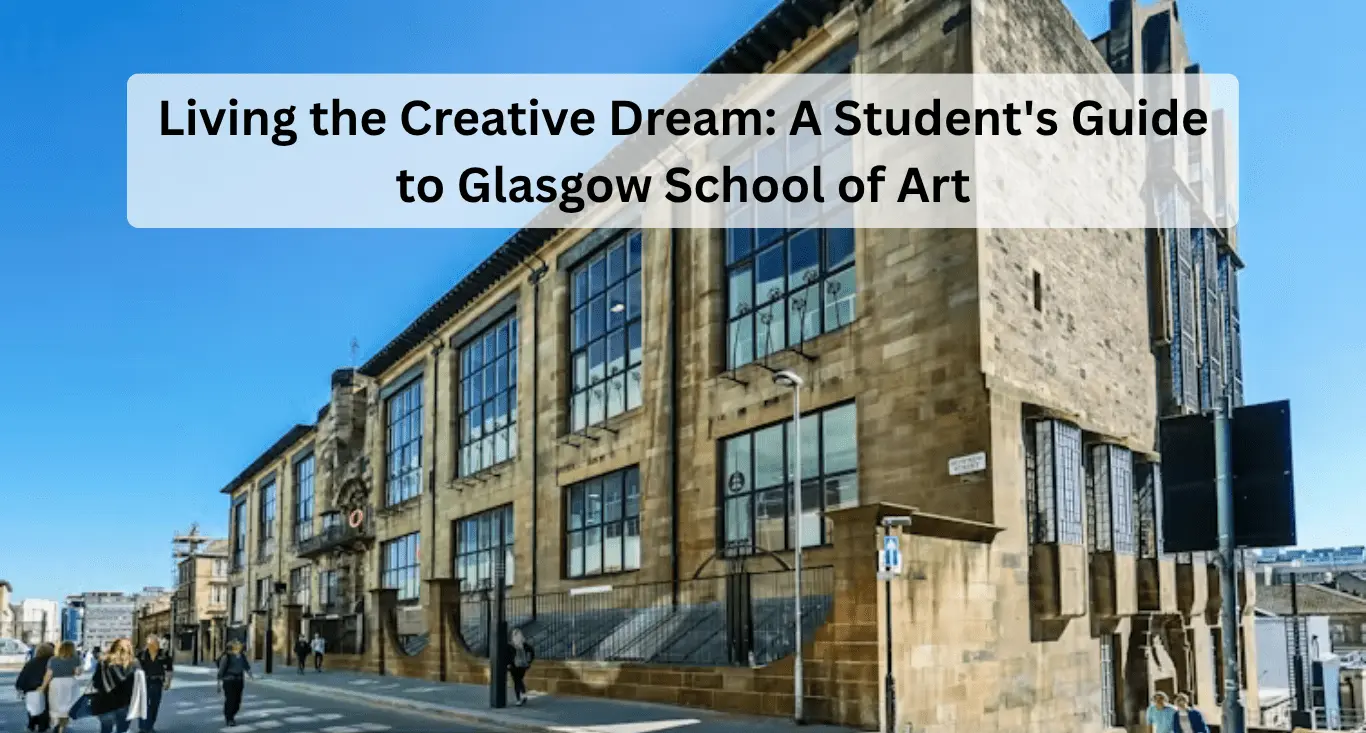
The iconic Mackintosh Building, tragically damaged in recent fires, remains a powerful symbol of the school's enduring spirit. Its legacy continues to inspire, proving that creativity, resilience, and purpose still thrive within GSA's walls.
The Numbers That Actually Matter: Glasgow School of Art at a Glance
Fast Facts You Should Know | |
|---|---|
What | The Reality |
Founded | 1845 (older than most countries) |
Global Rank | 13th worldwide (yes, that's massive) |
UK Rank | 3rd nationally |
Student Count | ~2,000 (small, but seriously mighty) |
International Mix | 33% of students are from abroad |
Acceptance Rate | Just 20%, they don’t let just anyone in |
International Fees | £24,350 per year (top-tier education isn’t cheap) |
Accommodation Costs | Around £9,246 per year |
Where They Actually Stand in the Rankings Game | ||
|---|---|---|
Ranking Authority | Position | What It Means |
QS World Rankings | 13th globally | Beats out many household-name institutions |
UK Rankings | 3rd nationally | Only RCA and Central Saint Martins are ahead |
Research Quality | 88% world-class | Not just theories, real-world influence |
Student Happiness | Pretty high | People actually enjoy being here |
Why These Stats Actually Matter
The Glasgow School of Art consistently outperforms competitors with far larger budgets and faculty sizes. Holding its own against institutions like the Royal College of Art and top-tier London schools, ranking 3rd in the UK isn't just impressive, it’s a statement.
And that 88% figure for research quality? It means GSA’s faculty aren't just spinning academic jargon; they're shaping how art is made and experienced in real galleries, studios, and design spaces around the globe.
What You Can Actually Study at the Glasgow School of Art
From timeless artistry to cutting-edge tech, the Glasgow School of Art offers an eclectic mix of creative pathways that go way beyond brushstrokes and blueprints. Here’s a look at the four powerhouse schools and what they bring to the table:
School of Fine Arts
Where classic techniques meet contemporary expression. If you're serious about crafting meaningful art, this is the foundation.
Programs include:
- Fine Art Photography: Beyond filters and selfies; think galleries, portfolios, and impact
- Painting and Printmaking: Traditional craft meets modern flair
- Sculpture and Environmental Art: Monumental installations with a message
- Master of Fine Arts: For those ready to push their creativity to its limits
School of Design
Turning imagination into beautiful, functional products people actually want.
Popular courses:
- Communication Design: Branding, posters, editorial visuals—it's all here
- Fashion Design: Glasgow’s rising fashion scene meets personal expression
- Interior Design: Designing spaces that make people feel something
- Product Design: From slick furniture to smart tech solutions
- Textile Design: Deep Scottish roots with global relevance
Mackintosh School of Architecture
Named after Charles Rennie Mackintosh, this school is all about visionary structures and sustainable design. Curious how it stacks up against the UK's finest? Explore our blog on the best architecture universities in UK for a deeper dive.
Courses offered:
- Architecture: The 5-year flagship program for aspiring architects
- Master of Architecture: Advanced studio-led training
- Architectural Studies: A flexible option to explore before committing
- Digital Design and Manufacture: Where coding meets construction
School of Innovation and Technology
The experimental edge, where art dives into immersive tech, gaming, and digital storytelling.
Programs include:
- Computer Arts: Creative expression through pixels and code
- Serious Games and VR: Game design meets virtual reality for real-world impact
- Product Design Engineering: Merging creativity with precision engineering
- Digital Culture: Exploring how humans and tech connect and collide
Getting In: The Brutal Truth
Ready to join the ranks of visionary artists and architects? Here's what it really takes, no sugarcoating, just facts. And once you’ve made it in, be sure you're ready for what comes next. Check out our tips for university exam preparation to stay ahead when finals hit.
Level | Grades You Need | Portfolio | English Requirements |
Undergraduate | A-levels ABB–BBB | Absolutely essential | IELTS 6.0 minimum |
Master's | 2:1 degree minimum | Must be outstanding | IELTS 6.5 |
MFA | Strong arts background | Professional quality | IELTS 7.0 |
PhD | Master’s degree | Research proposal | IELTS 7.0 |
Portfolio: Your Make-or-Break Moment
This isn’t just a collection, it’s your creative manifesto. Be bold, be brilliant, and be meticulously polished.
What they want to see:
- 15–25 pieces of your absolute best work
- A written explanation of your creative intent and artistic journey
- Proof of experimentation, don’t play it safe
- Professional presentation, no wonky photos or sloppy scans
Money Talk: What It'll Actually Cost You
Glasgow may be full of creative opportunities, but let’s get real, it’s not cheap. From tuition to paint brushes, here's what you're signing up for.
Tuition Fees for 2025/26 | |||
|---|---|---|---|
Where You're From | Undergrad | Masters | PhD Stuff |
Scottish | £2,318 | £9,000–£15,000 | £4,500–£9,000 |
Rest of UK | £9,535 | £15,000–£25,000 | £9,000–£15,000 |
International | £24,350 | £25,000–£32,500 | £20,000–£30,000 |
So why the hefty price tags?
Think: small class sizes, your own studio space, professional-grade equipment, and access to one of Europe’s most vibrant creative communities. You're investing in far more than just lectures. If you're wondering whether it's worth the splurge, we broke it all down in our cost of living in Glasgow blog.
Living Costs You Should Expect
For international students, a realistic yearly budget falls between £15,000–£20,000. Here's where it goes:
Expense | Estimated Annual Cost |
Accommodation | £520 - £1460 |
Food and Groceries | £120 - £350 |
Transport | £40 - £100 |
Social and Entertainment | £60 - £300 |
Study Materials | £30 - £120 |
Personal Care | £30 - £120 |
Phone and Internet | £20 - £60 |
Miscellaneous | £50 - £2500 |
TOTAL | £870 - £2510 |
Heads up on art supplies: This stuff isn’t cheap. Quality materials matter, and if you're diving into sculpture or printmaking, your budget could easily double. Plan ahead and invest wisely. Want to see how your budget stacks up? Try our cost of living calculator to crunch the numbers.
Getting In: The Brutal Truth
Think you’ve got what it takes? Here’s what admission actually demands — no fluff, just facts.
Level | Grades You Need | Portfolio | English Requirements |
Undergraduate | A-levels ABB–BBB | Absolutely essential | IELTS 6.0 minimum |
Master's | 2:1 degree minimum | Must be outstanding | IELTS 6.5 |
MFA | Strong arts background | Professional quality | IELTS 7.0 |
PhD | Master’s degree | Research proposal | IELTS 7.0 |
Portfolio Tips:Your portfolio should speak for itself, and loudly.
- 15–25 pieces of your finest work
- A compelling written explanation of your creative direction
- Experiments and risks, avoid playing it safe
- Clean, professional presentation
Where You’ll Actually Live as a GSA Student
Whether you’re considering on-campus halls or vibrant neighbourhoods across Glasgow, this guide will help you understand your options and make an informed choice.
On-Campus Options
Living on campus means waking up just steps from studios and lectures. GSA runs two main halls of residence:
- Margaret Macdonald House: Just a 2-minute walk from campus, it’s ideal for those late-night design sprints or spontaneous crit sessions. En-suite rooms and shared kitchens foster a collaborative, creative vibe, where hearing a saxophone at 2 am is just another Tuesday.
- Blythswood House: Perfectly positioned in Glasgow’s city centre, this hall offers a mix of room types, including summer lets for families. Similar pricing, but the vibe is more metropolitan. Blythswood is a great choice if you love being close to nightlife, galleries, and transit.
All on-campus options typically include:
- Wi-Fi that actually works
- Security and 24/7 maintenance
- All bills included, zero budgeting stress
- Common areas for socialising and downtime
Want the full lowdown on housing, costs, and paperwork? Our Glasgow student housing guide breaks down everything you need to know.
Off-Campus Living
Off-campus accommodation is hugely popular, with students gravitating towards Glasgow’s diverse neighbourhoods for a more independent lifestyle.
Area | Monthly Rent | Vibe |
Garnethill | £400–£600 | Close to GSA, hilly, full of character |
West End | £350–£550 | Bohemian charm, buzzing with students |
City Centre | £500–£800 | Convenient but noisy and pricier |
Southside | £300–£500 | Artsy, upcoming, packed with creatives |
Whether you love the laid-back café scene of the West End or the up-and-coming Southside arts district, there’s something for every personality and budget. Curious which neighbourhood suits you best? Read our blog on the best areas to live in Glasgow to discover the student hotspots and hidden gems.
Accommodation Types
Glasgow offers diverse housing styles tailored to student life:
- Shared Houses: Social and economical, great for making friends and splitting costs
- Studio Flats: More expensive, but ideal if you crave personal space
- Residential House Shares: Located in family neighbourhoods, these are quieter and more homely
- Purpose-Built Student Accommodation (PBSA): Now let’s talk about the modern choice.
Why Choose a PBSA?
PBSA blocks are designed entirely around student needs. En-suite rooms, social lounges, study pods, laundry, gym facilities, and all bills bundled in. They strike a balance between convenience and community, especially for those new to Glasgow. If you're wondering why so many opt for managed student housing over private rentals, it's worth considering the reduced stress, better amenities, and enhanced social life.
We’ve explored these advantages in detail in our blog why live in Glasgow student accommodation, perfect if you’re still weighing your options.
And if PBSA has caught your eye, check out our guide to purpose-built student accommodation to see what's really included and how it compares.
Finding Your Ideal Space
With so many options, choosing the right student property can feel overwhelming. The good news? We've already done the legwork.
Browse our shortlist of the best student properties in Glasgow to find highly rated homes tailored for every lifestyle.
Prefer a straightforward budget? Our guide to all-inclusive student accommodation explains how bundled utilities can simplify your monthly planning and eliminate nasty surprises.
Student Life at GSA: What It’s Actually Like
If you're coming to the Glasgow School of Art, you're stepping into something far richer than lectures and deadlines. You're becoming part of a wonderfully chaotic, endlessly creative community that lives and breathes art, in studios, on streets, and over midnight noodles.
The Creative Community Vibe
Life at GSA is intense, collaborative, and deeply rewarding. You'll find yourself bouncing between:
- Studio time (your own creative space, a rare luxury!)
- Brutally honest but transformational critique sessions
- Guest lectures from actual working artists who tell it like it is
- Exhibition openings with yes, free wine
- Cross-disciplinary collaborations, from fine art to architecture
- Late-night conversations that spiral from Kandinsky to karaoke
Want a deeper look at everyday student experiences? Our blog on student life in Glasgow gives you the real scoop, from how students unwind to what they wish they'd known in week one.
Glasgow: Why Artists Fall in Love with It
Ranked the 4th best student city in the UK, Glasgow has a special kind of magic for creatives. Here's why so many students fall hard:
- UNESCO City of Music status means gigs spill into every corner
- A gallery scene that’s somehow edgy and world-class
- Surprisingly affordable for students (especially compared to London)
- Locals who’ll start a friendly debate with a total stranger
- Bold, dramatic architecture and historic beauty
- Empty buildings transformed into art spaces
But there’s more than just museums and murals. Explore our guide to things to do in Glasgow to discover underground warehouse parties, pop-up exhibitions, and the hidden cafes where all the art students hang out.
The Social Scene and Student-Led Magic
You don’t have to look far to find your people here. The Students' Association curates a vibrant calendar of events, from casual hangouts to portfolio showcases, that make it easy to connect:
- Regular parties and live performance nights
- Creative workshops that get weird in the best way
- Study groups and critique circles
- Industry meetups with designers, curators, and thought leaders
- Strong support for international students adjusting to Glasgow’s rhythm
Back in the day, the legendary GSA Bar was the beating heart of student nightlife. Since the fire, the social scene has scattered across the city’s creative quarter, arguably for the better. Now, students gather in cosy studios, buzzing cafés, and quirky pubs like Hillhead Bookclub and The Record Factory, where the vibe is always electric and the drinks are student-budget friendly.
Want to explore more student-friendly hangouts? Our guide to the best student clubs in Glasgow rounds up the top spots for cheap drinks, live music, and spontaneous meetups.
Beyond the nightlife, Glasgow’s student societies are where passions turn into projects. Whether you're into film, activism, gaming, or global culture, there’s a society waiting to welcome you in. These groups often collaborate with local venues for events, screenings, and socials, so your pub crawl might double as a networking night.
Curious about what’s out there? Our blog on student societies in Glasgow breaks down the most active groups across universities and how to get involved.
Career Stuff and What Happens After
Graduate Outcomes (The Real Picture)
GSA graduates don’t just land jobs; they build careers that turn heads. Whether it’s launching a design studio, exhibiting internationally, or joining top creative firms, the outcomes speak for themselves.
Starting salaries look like this:
- Architecture: £35,000–£50,000
- Design roles: £28,000–£45,000
- Fine Art: £25,000–£60,000+ (massive variation)
- Digital/Media: £30,000–£55,000
And it’s not just about the paycheck. GSA’s career support includes:
- One-on-one career advice
- Help finding placements and internships
- Portfolio development workshops
- Professional practice seminars
- Alumni networking (yes, it actually works)
- Business startup support for budding entrepreneurs
Looking to build experience while you study? Our guide to part-time jobs in Glasgow shares flexible roles that fit around your schedule and boost your CV.
In fact, working part-time while studying can be a game-changer. It’s not just about earning extra cash; it’s about building confidence, learning time management, and gaining real-world experience that employers value.
Curious how a side hustle can shape your future? Our blog on the benefits of part-time jobs for students breaks down how even a few hours a week can sharpen your skills and set you up for long-term success.
Famous Alumni Worth Knowing
With over 22,000 alumni across 95 countries, GSA’s creative legacy is global. Some names you might recognise:
- Charles Rennie Mackintosh (obviously)
- Douglas Gordon (Turner Prize winner)
- David Byrne (Talking Heads frontman)
- Members of Franz Ferdinand
- Turner Prize nominees galore
- Designers at top studios
- Gallery owners and creative entrepreneurs
Want to follow in their footsteps? Our blog on professional opportunities in Glasgow explores how the city supports creative careers, from internships to industry meetups.
Application Process: How to Actually Get In
Undergraduate Route
- October–January: UCAS application window
- December–February: Portfolio submission
- February–April: Interview calls (if you’re lucky)
- March–May: Offers and rejections
- June–August: Clearing
What You’ll Need:
- UCAS application
- Personal statement (make it count)
- Academic references
- Portfolio (this is everything)
- English language proof
Postgraduate Applications
- Direct online application
- Academic transcripts
- Two references
- Portfolio submission
- Research proposal (for PhD)
- Interview (often online for international students)
Portfolio Tips from Someone Who’s Seen Loads
What they’re actually looking for:
- Technical skills that show you can execute ideas
- Creative thinking beyond obvious solutions
- Personal artistic voice (not just trends)
- Evidence of development and experimentation
- Quality over quantity
Mistakes that kill applications:
- Including everything you’ve ever made
- Poor photography of 3D work
- No variety in media or approach
- No evidence of process or thinking
- Work that could be anyone’s
Looking for student accommodation?
Our support team can assist you for free Book with BestStudentHalls today!
International Student Reality at GSA
The Global Community Thing
One-third of GSA students come from outside the UK, creating a genuinely international creative atmosphere. It’s not just diverse, it’s dynamic. You’ll collaborate with artists from Tokyo, Toronto, and Turin, all under one roof.
Support that actually helps:
- Pre-arrival guidance that’s actually useful (not just generic emails)
- Airport pickup assistance to make your landing smoother
- Orientation programs that go beyond campus maps
- English language support if needed
- Cultural adaptation helps to ease the transition
- Dedicated international student advisor who’s seen it all
Planning your move? Our student checklist for moving to the UK covers everything from packing tips to paperwork, so you arrive prepared, not panicked.
Visa Stuff You Actually Need to Know
Getting your student visa sorted is a big step, but it doesn’t have to be overwhelming. Here’s what you’ll need:
- A valid Confirmation of Acceptance for Studies (CAS) from GSA
- Financial evidence covering tuition + £1,023/month for living expenses
- Proof of English language proficiency
- Verified academic qualifications
- Payment of the Immigration Health Surcharge
After graduation, the Graduate Route visa lets you stay and work in the UK for 2–3 years, giving you time to build your creative career. GSA’s strong industry connections and global alumni network make this more than just a visa; it’s a launchpad.
Need help navigating the process? Our UK student visa guide breaks down every step, from CAS to post-study work rights, so you can focus on your future, not the forms.
Research That Actually Matters
88% of GSA research is rated world-leading or internationally excellent. That’s genuinely impressive for any university, never mind an art school. The work being done here isn’t just academic; it’s shaping the future of creativity.
What they’re working on:
- Digital creativity and new media
- Sustainable design practices
- Cultural heritage preservation
- Art for social justice
- Environmental design solutions
Facilities That Work
GSA backs its research with serious infrastructure. Students have access to professional-grade equipment and spaces that rival industry studios:
- Digital fabrication workshops
- Photography studios with proper lighting setups
- Traditional and digital printmaking facilities
- Ceramics and sculpture workshops
- Computer labs loaded with industry-standard software
- Material testing laboratories for design innovation
It’s the kind of setup that makes experimentation not just possible, but irresistible.
Want to know what makes Glasgow such a unique backdrop for all this creativity? Our blog on fun facts about Glasgow reveals quirky, surprising details about the city’s history, culture, and charm that even locals might not know.
Post-Fire Reality: GSA Today
The fires in 2014 and 2018 were devastating, not just to the Mackintosh Building, but to Glasgow’s creative soul. And yet, GSA’s response has been nothing short of inspiring.
Where things stand now:
- Teaching continues across multiple Glasgow sites
- Major investments in new facilities
- Restoration of the Mackintosh Building underway
- Enhanced digital capabilities
- A stronger, more connected community
What this means for students:
- A campus spread across Glasgow’s creative quarter
- Access to diverse, flexible learning spaces
- A culture of resilience, innovation, and reinvention
- A city that continues to inspire, from fossilised trees to marble-filled chambers
Money Help and Scholarships
Studying at GSA is an investment, but there’s plenty of support to help lighten the load. Whether you're applying for merit-based awards or looking for creative ways to earn on the side, there are options worth exploring.
Funding That’s Actually Available
Merit-based support includes:
- GSA International Scholarships for outstanding global applicants
- Country-specific awards tailored to your nationality
- Subject-specific funding for disciplines like architecture or design
- Alumni scholarships to support returning or legacy students
Need-based support includes:
- Hardship funds for unexpected financial challenges
- Emergency assistance for urgent situations
- Equipment grants to cover essential creative tools
- Travel support for exhibitions and academic events
Want to explore all your options? Our guide to UK scholarships breaks down everything from government schemes to university-specific awards, so you can apply with confidence.
External Funding Sources
Beyond GSA, there’s a wide network of arts and education funding available:
- Arts Council England and Creative Scotland for project-based grants
- British Council Scholarships for international students
- Chevening Scholarships for fully funded postgraduate study
- Various foundation grants supporting creative and academic excellence
Side Hustles That Actually Pay
Scholarships aren’t the only way to stay financially afloat. Many students supplement their income with flexible, app-based gigs that fit around studio time and lectures.
Looking to earn while you study? Our blog on the top money-making apps lists legit platforms that pay for surveys, freelance tasks, and even sharing product links, perfect for creative students with busy schedules.
Getting Ready for GSA: Your Creative Future Starts Here
Planning to apply to the Glasgow School of Art (GSA)? Whether you're dreaming of sculpture, fashion, or digital design, here's how to prep like a pro and stand out from the crowd.
Before You Apply: Crafting a Standout Application
Build a portfolio that’s bold, personal, and unapologetically YOU.
Top Tips:
- Develop your own artistic voice, avoid chasing trends
- Experiment with diverse materials, formats, and techniques
- Document everything, from sketchbook scribbles to large-scale installations
- Enrol in portfolio prep courses to sharpen your edge
- Research your chosen program deeply, and know what GSA values
Making the Most of Your Time at GSA
This isn’t just art school, it’s an incubator for ideas, connections, and discovery.
Success Strategies:
- Maximise studio time, it's your creative playground
- Connect with visiting artists and guest lecturers
- Take part in competitions, open calls, and exhibitions
- Collaborate across disciplines, cross-pollinate ideas
- Reflect and document your progress to fuel growth
GSA vs Other Top UK Art Schools | |||
|---|---|---|---|
Factor | Glasgow School of Art | Edinburgh College of Art | |
Global Ranking | 13th | 4th | 25th |
Students | 2,000 | 4,500 | 2,500 |
Acceptance Rate | 20% | 15% | 25% |
Int’l Fees | £24,350 | £28,570 | £22,650 |
Location | Glasgow | ||
Specialty | Broad arts education | Fashion/design heavy | Traditional meets modern |
Curious about how other UK art schools compare? Check out our blog on the best art universities in UK for rankings, specialities, and insider tips.
Why Choose GSA Over the Rest?
GSA blends prestige with creative freedom. Here’s what sets it apart:
- Close-knit community, you’ll know your peers and mentors
- Rich Scottish cultural heritage as a creative backdrop
- Glasgow’s affordability and thriving arts scene
- Excellent staff-to-student ratio for personal guidance
- Individual studio spaces, guaranteed
- Strong alumni network and real-world connections
- Degrees validated by the University of Glasgow
What’s Next for GSA?
The Glasgow School of Art isn’t just shaping artists, it’s shaping the future. Here's a peek into where the journey is headed.
GSA’s Vision for 2030
By 2030, GSA aims to be a powerhouse of creative innovation, rooted in global impact and local relevance. Here's what they’re planning:
- Enhanced Digital Capabilities: From virtual studios to cutting-edge tech in classrooms
- Sustainability Leadership: Creative practices that support a greener planet
- Global Research Partnerships: Collaborations with institutions worldwide to drive discovery
- Innovative Teaching Methods: Blending traditional studio practice with digital tools and interdisciplinary approaches
- Stronger Industry Connections: Deeper links with creative companies for real-world experience and employability
What’s Already Happening?
GSA isn’t waiting until 2030; change is underway now.
- Highlands and Islands Campus: A new creative hub expanding access and diversity
- Upgraded Online Learning: Flexible and immersive digital education for modern learners
- Sustainability Everywhere: Eco-conscious materials, design, and campus practices
- International Partnerships: New ties with schools and programs across continents
- Industry Collaboration Projects: Students co-creating with top brands and studios
Making Your Choice: Is GSA the Right Fit for You?
Picking the right art school is like picking the right brush; it should feel natural in your hand and help bring your vision to life.
GSA Works for You If You…
- Thrive in tight-knit creative communities where collaboration sparks ideas
- Care about developing your own artistic identity, not following trends
- Want rigorous technical training alongside creative freedom
- Value cultural heritage and context in your work
- Crave authentic and creative challenges over flashy surface-level projects
You Might Look Elsewhere If You…
- Prefer huge institutional settings with thousands of students
- Want a strong commercial/industry-focused curriculum from day one
- Rely on extensive financial aid or scholarship options
- Hate cold, moody weather (Glasgow’s got character… and rain)
- Need guaranteed access to London’s creative networking scene
Final Application Tips That Actually Matter
These steps make or break your shot, so lean in:
- Start developing your portfolio early (seriously… earlier than you think)
- Research programs thoroughly, and know what each one expects
- Prep for serious competition, GSA doesn’t play when it comes to talent
- Budget smartly, tuition, materials, living expenses… it all adds up
- Connect with current students and alumni, get the real scoop before you commit
From Vision to Vocation: Why GSA Is Your Next Step
The Glasgow School of Art isn’t just a place to study; it’s a launchpad for bold ideas, lifelong connections, and creative breakthroughs. Whether you're drawn by its global reputation, intimate studio culture, or forward-thinking vision for 2030, GSA offers a uniquely inspiring environment to grow as an artist.
But your experience isn’t limited to the classroom. Glasgow itself is a city that fuels creativity, with its buzzing arts scene, affordable lifestyle, and welcoming vibe. From indie galleries to late-night music venues, the city becomes part of your canvas.
Curious about what life in Glasgow really looks like? Explore our Glasgow city guide for insider tips on neighbourhoods, food, events, and student-friendly hangouts.
And when it comes to finding the perfect place to live, don’t settle for less. Best Student Halls offers verified, stylish, and affordable student accommodation near top universities, including GSA. With flexible payment plans, no-deposit options, and a price-match promise, BSH makes student living stress-free and comfortable. Whether you’re after a cosy studio or a vibrant shared flat, there’s a space waiting for you in Glasgow.
Frequently Asked Questions
Is Glasgow School of Art worth it?
GSA is known for its experimental, collaborative approach and strong global reputation. 87% of grads are in work or further study within six months, with typical salaries between £24–27K.
What rank is Glasgow School of Art in the UK?
GSA ranks #3 in the UK for Design and #6 for Arts according to QS Rankings 2025. It’s consistently recognised as one of Europe’s top visual arts institutions.
What is the best way to get around Glasgow?
Getting around Glasgow is refreshingly simple. The city’s Subway system loops through 15 stations in just 24 minutes, making it one of the fastest ways to navigate the centre and West End. With First Bus routes and City Sightseeing tours, the transport network is both efficient and student-friendly. For a deeper dive into how to plan your journey, ticket options, and accessibility features, check out our Glasgow transport guide for everything you need to know.
Where is Glasgow ranked in safety?
When it comes to safety, Glasgow is generally secure, especially in the city centre and university zones. While some residential areas report higher crime rates, most incidents are avoidable with basic precautions. For tips on staying safe, emergency contacts, and the best neighbourhoods for students, our Glasgow student safety guide has you covered.
Which museums are free in Glasgow?
If you’re wondering what to do on a free afternoon, Glasgow’s museums are a cultural goldmine, and most of them won’t cost you a penny. From the grandeur of Kelvingrove to the transport nostalgia of Riverside Museum, there’s something for every curiosity. Explore our museums in Glasgow blog to plan your perfect day out.
What is the Glasgow School of Art best known for?
GSA is internationally recognised for studio-based teaching in art, design and architecture and strong creative research.
How do I apply to Glasgow School of Art?
Apply through the GSA application pages — undergraduate and postgraduate programmes require portfolio submission and must meet published deadlines (international applicants see visa deadlines).
What are the entry requirements for international students?
Requirements vary by programme but commonly include a portfolio, English language evidence (e.g., IELTS) and equivalent secondary or tertiary qualifications — check GSA’s international guidance.
What student support services are available?
Student Welfare provides help with accommodation, funding, visas, wellbeing and day-to-day practicalities.
Where should students live near GSA?
Popular nearby neighbourhoods: City Centre / Merchant City, Garnethill, Hillhead/West End, Finnieston.

Bhakti
Bhakti is a talented content writer, editor and social media enthusiast. Her in-depth blogs and city guides reflect her curious mind and love for writing. Her creativity and research-intensive approach allow her to create informative articles with a fresh perspective. She often includes hot tips that make for an engaging and impactful read. Bhakti is a fan of tennis, fashion and literature with a special interest in digital culture.

Before You Click "Apply": Inside the University of Sussex
Thinking about studying in the UK and want a university that offers both academic prestige and a vibrant student experience?

UCAS Jargon Buster: Your Go-To Dictionary for Applying to University
From Tuition to Student Life: What It’s Really Like at the University of Glasgow











Comments
Leave a comment